


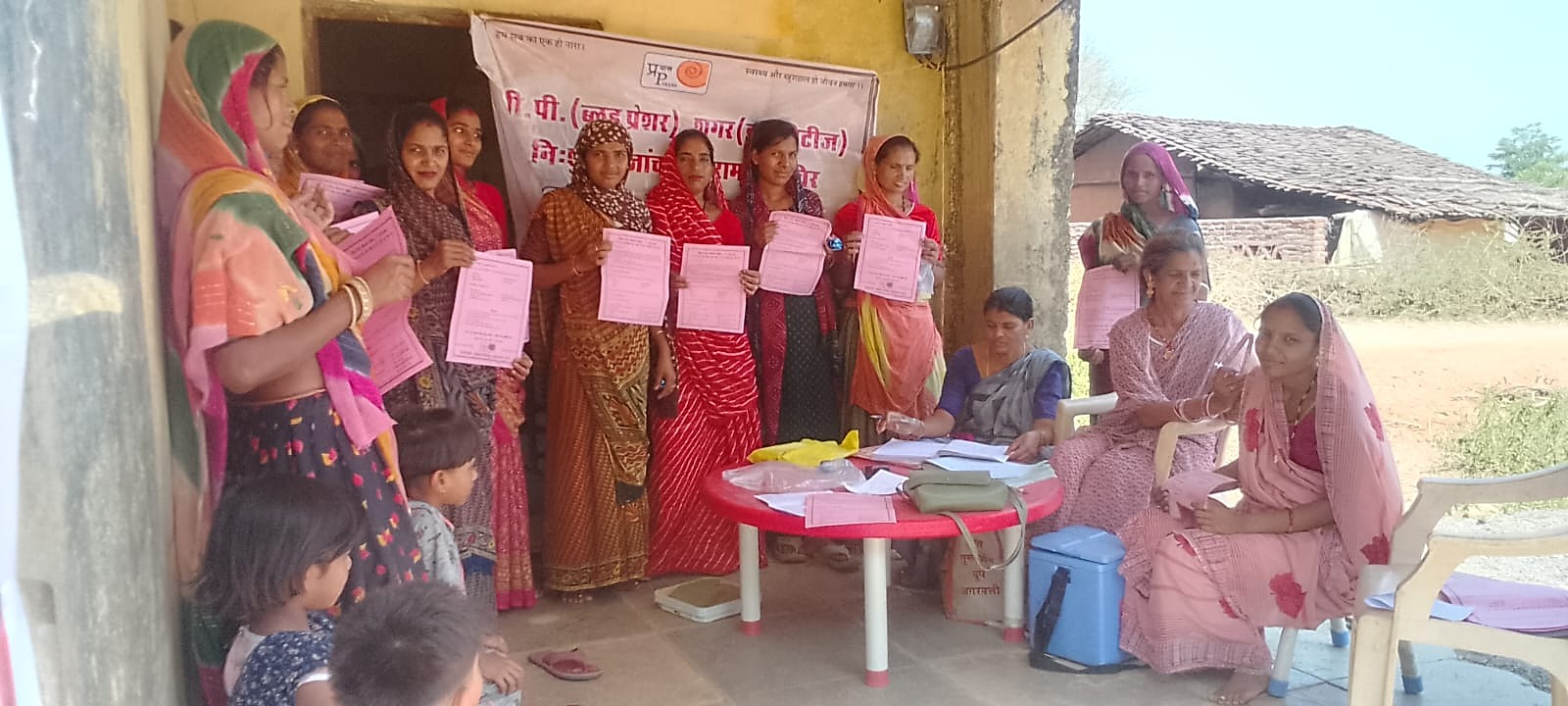
Since 2025, Prayas has been working in Chittorgarh and Pratapgarh districts of Rajasthan to address the growing burden of non-communicable diseases, with a focused effort on hypertension (high blood pressure) and diabetes (high blood sugar).
Many people living with these conditions may not have noticeable symptoms in the early stages. Regular screening, timely treatment and continued follow-up are therefore essential to prevent complications and support healthier lives.
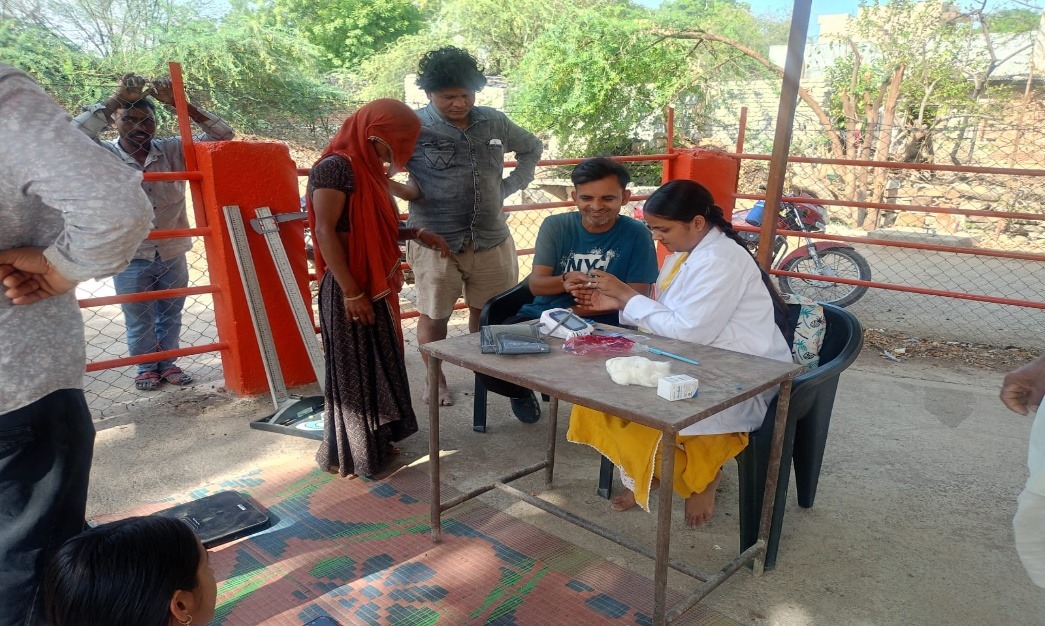
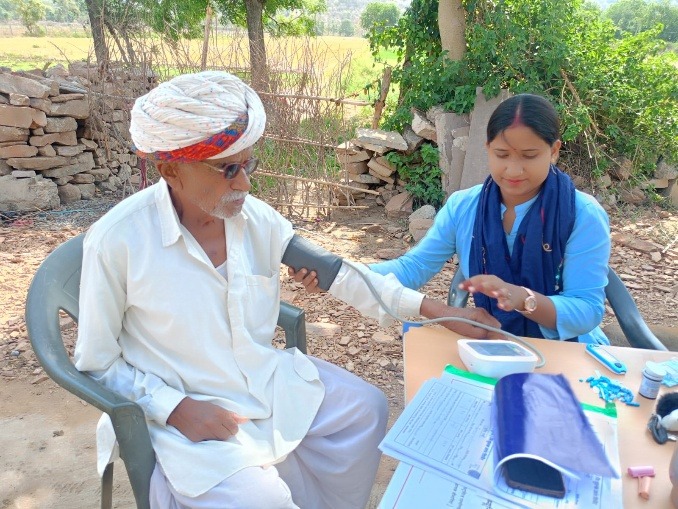
Prayas works with communities and the local health system to bring NCD prevention and care closer to people.
Our key activities include:
Prayas is working to strengthen community-based NCD prevention and care across Chittorgarh and Pratapgarh districts of Rajasthan.
(Figures represent Prayas programme data and may increase with ongoing screening and follow-up.)
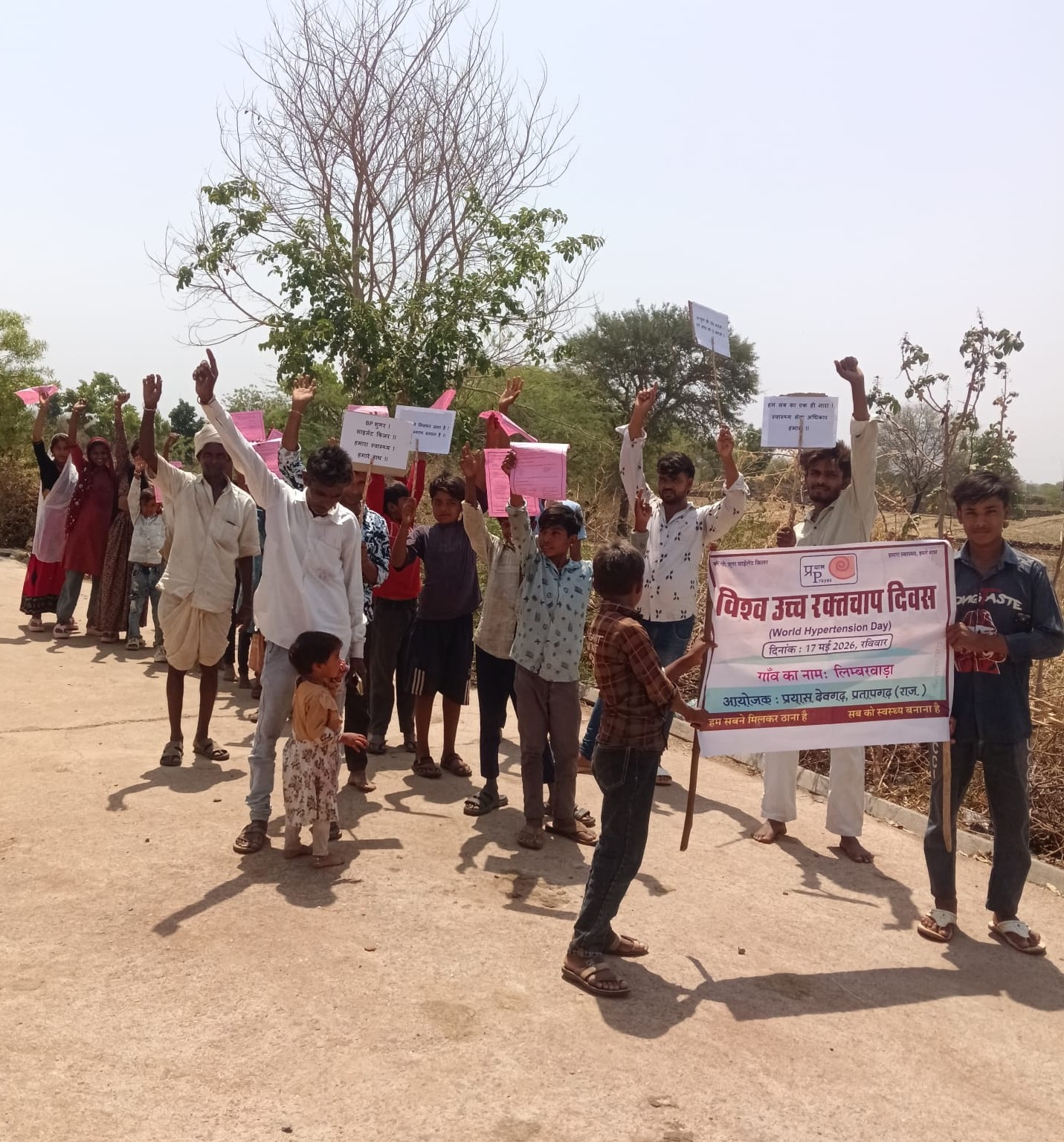
NCD care requires continued support beyond the health facility. Prayas engages communities, VHSNCs, frontline health workers and families to promote screening, timely care, treatment adherence and regular follow-up.
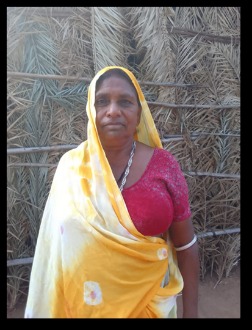
Bhulki Meena’s NCD Journey
Bhulki Meena, a 60-year-old woman from Ujadkheda village, Pratapgarh, had been living with hypertension and diabetes for nearly two years but had stopped taking her medicines regularly.
During an NCD screening and counselling camp organized by Prayas in collaboration with the Health Department, her blood pressure was found to be 180/101 mmHg and blood sugar 357 mg/dL.
The Prayas team and ANM counselled her on the risks of uncontrolled BP and diabetes and the importance of regular medication. She was referred to CHC Mungana for further treatment.
Later that night, Bhulki experienced dizziness and blurred vision. Her family contacted Jan Adhikar Prahari Shankar Lal Meena, who consulted the ANM and helped her reach the Sub-Divisional Hospital, Dhariyawad, where she received timely medical care.
Today, Bhulki is regularly taking her medicines and following up with the health facility, and her health condition has improved significantly.
Her story highlights the importance of early identification, timely referral, treatment adherence and regular follow-up in managing NCDs.