


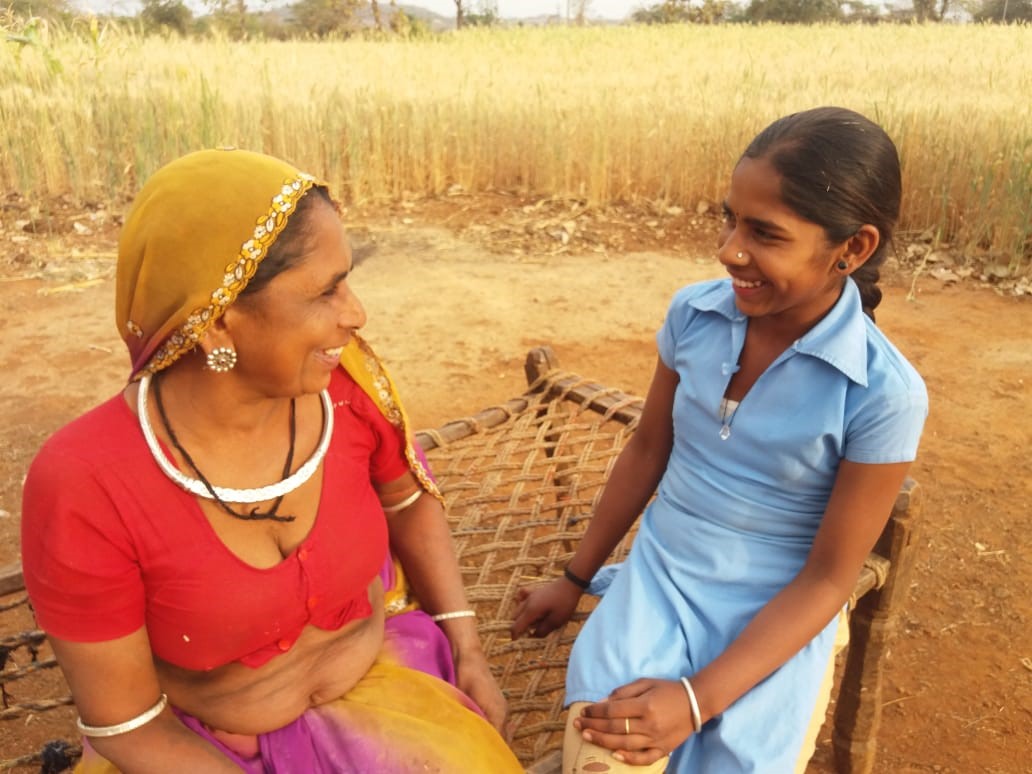
Prayas has been working on Sexual and Reproductive Health and Rights (SRHR), with a focus on empowering women and adolescents to understand their health needs, know their rights and access appropriate and quality health services.
The work is being carried out with tribal and marginalised communities in Dhamotar and Pratapgarh blocks of Pratapgarh district, Rajasthan, with a focus on building knowledge, confidence and collective action around sexual and reproductive health and well-being.
The approach combines community engagement, regular group meetings, capacity building, health education and engagement with frontline health systems to promote informed decision-making, healthy practices and timely access to care.
Regular community meetings, participatory discussions, educational materials and experience sharing help women and adolescents build knowledge and confidence to understand health issues, recognise concerns, seek timely care and make informed decisions.
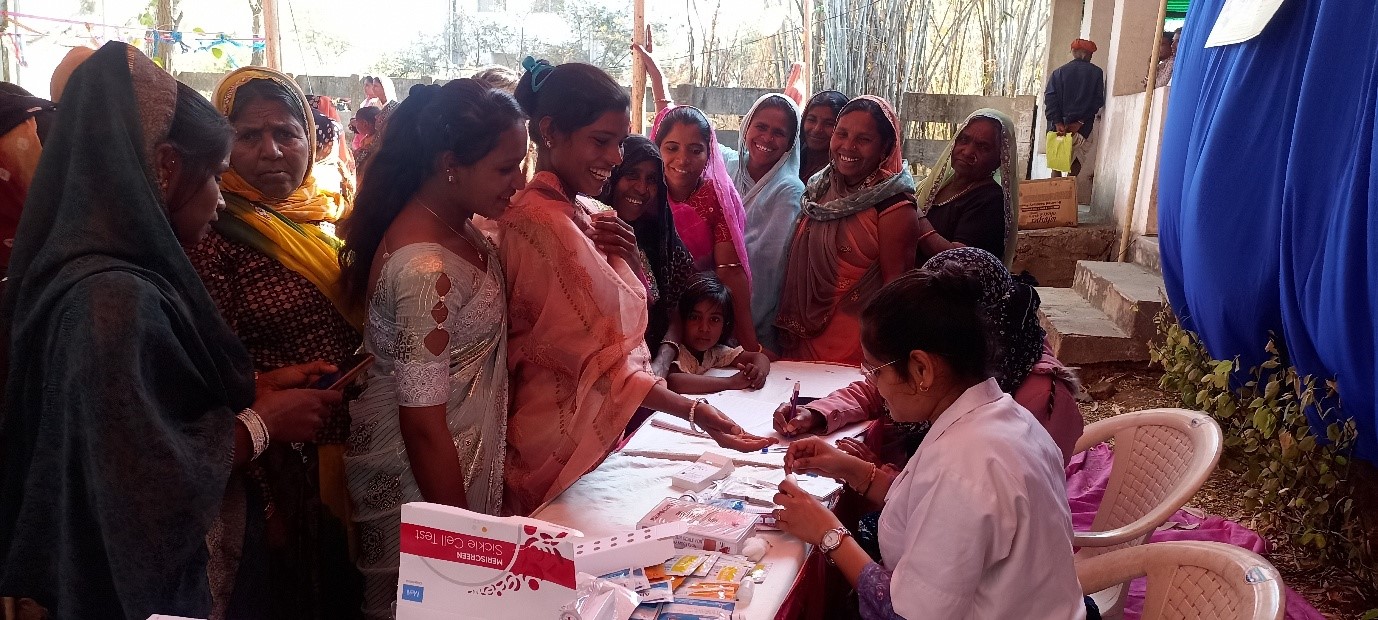
Women’s groups and adolescent girls’ and boys’ groups provide safe spaces to openly discuss puberty, menstruation, RTI/STI, contraception, pregnancy, abortion, nutrition, gender and other health concerns.
Community members are encouraged to ask questions, challenge misinformation, understand their rights, access available services and collectively raise concerns about the quality and availability of health services.
Prayas works with health and ICDS functionaries, education representatives and Panchayati Raj Institutions (PRIs) to strengthen their knowledge, skills and sensitivity towards adolescent and reproductive health and rights, with a gender perspective.
The organisation also supports Village Health, Sanitation and Nutrition Committees (VHSNCs) to identify local health priorities, strengthen community participation and improve accountability for health services.
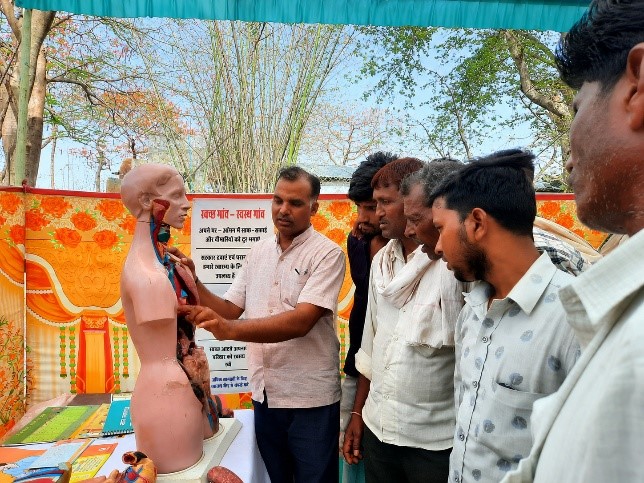
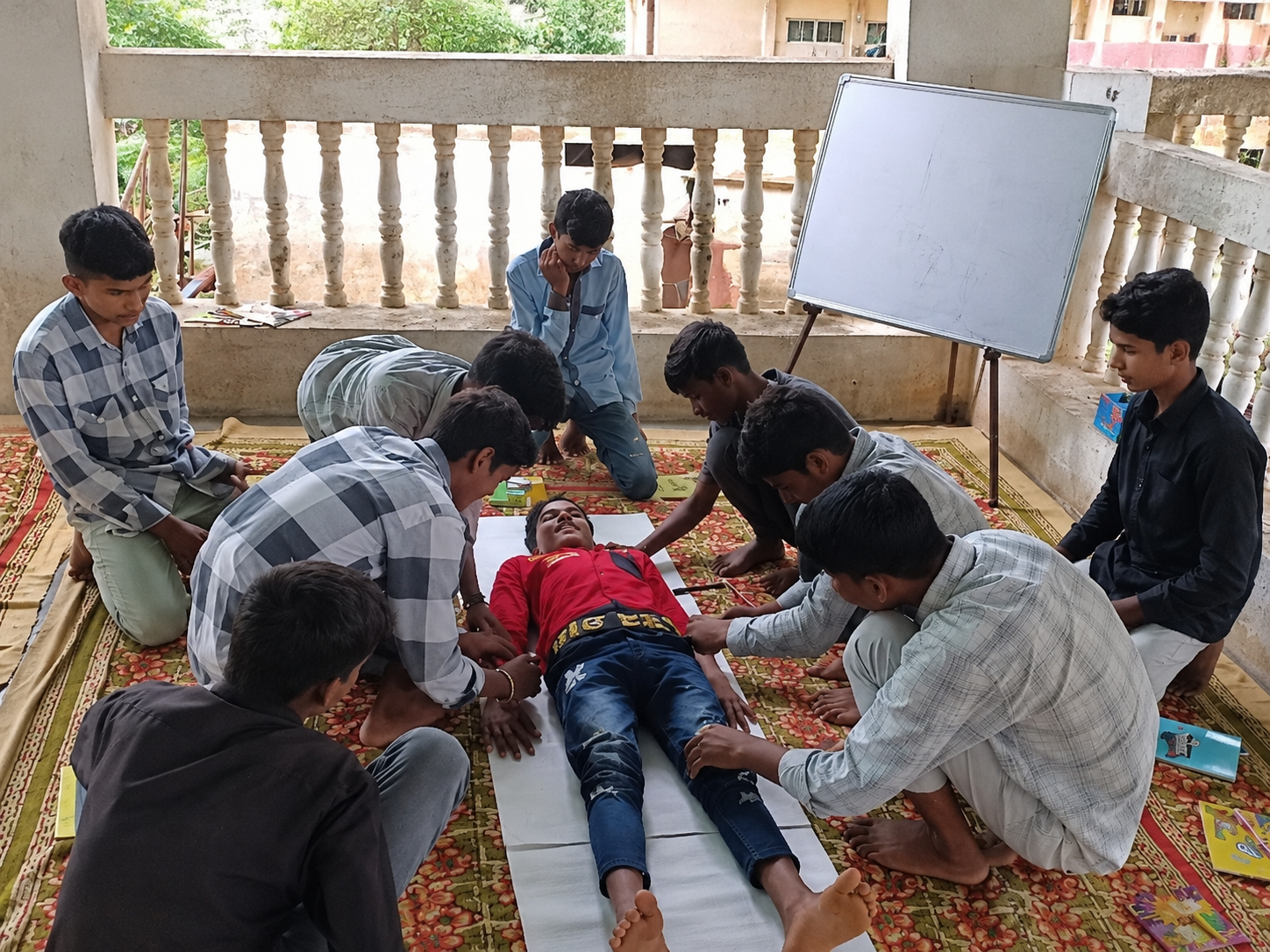
Our work creates spaces where women, adolescents and community institutions can participate, build confidence and connect with health services.
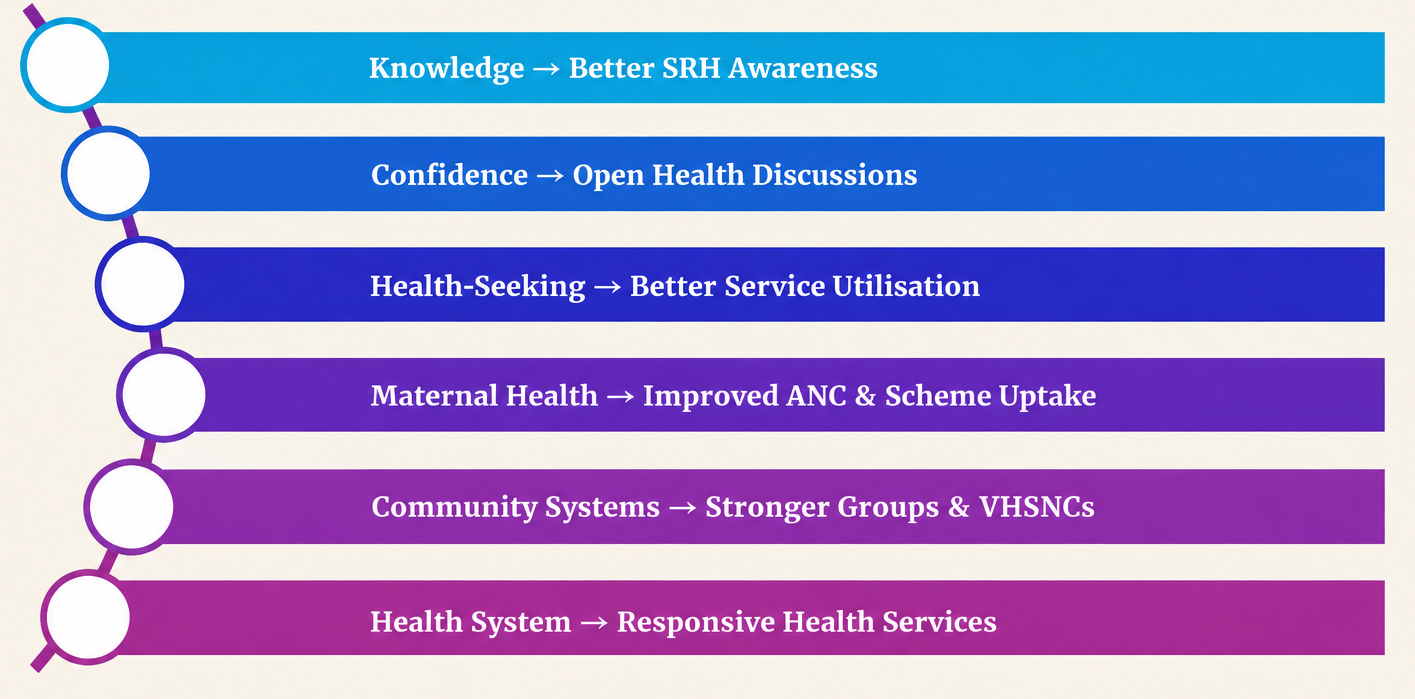
The work aims to build informed, confident and organised communities that can understand their sexual and reproductive health rights, make informed choices, seek timely care and participate in decisions affecting their health and well-being.